The world of advertising is ever-growing and ever-changing. As it changes, so do we. Peak Seven Advertising is always moving forward and is always dedicated to the successes of our clients. For our Year In Review, let’s delve into the website projects that made 2017 such a successful year for Peak Seven and and even more successful year for our clients!
The internet is a creature of pure power and harnessing that power is key to finding your client’s online market. كازينو اونلاين This year, PeakSeven created, designed, redesigned and launched more than a few beautiful new websites for our clients and it is our pleasure to share them with you.
Top 5 Peak Seven Website Redesigns
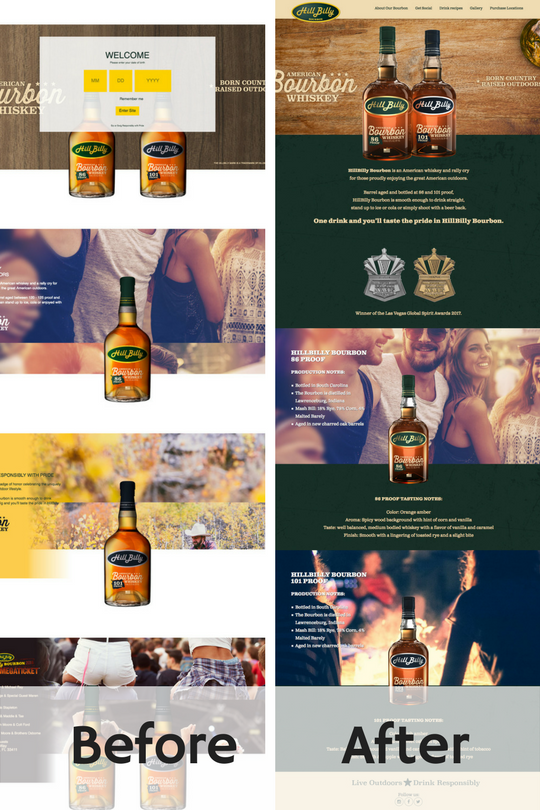
HillBilly Bourbon is one of our favorite clients. We completely reimagined the architecture of the previous website in order to show-off just how amazing their product is. We kept in mind the core message of the brand, Born Country Raised Outdoors. Take a look at the transformation here hillbillybourbon.com
The primary reason for Kennedy Homes’ website redesign was to improve conversion rates, while reflecting the prestige and heritage of the brand. With this as our goal, we set out to put the consumer’s information at the forefront of the website, making it easy to use and a joy to explore. Take a look for yourself here: kennedyhomesllc.com
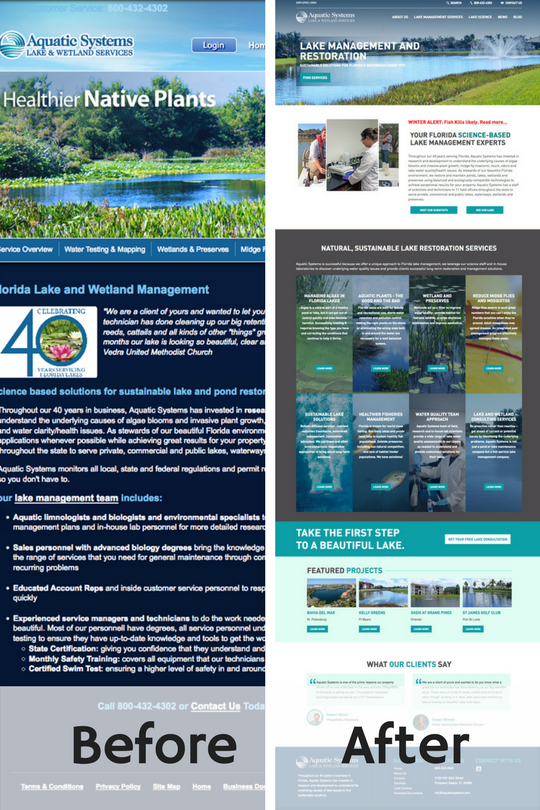
Before contacting PeakSeven, Aquatic Systems’ website left much to be desired in terms of design and usability. It became imperative that we fix this website for the better and the result was magnificent. Check out how user-friendly and useful our take on aquaticsystems.com is.
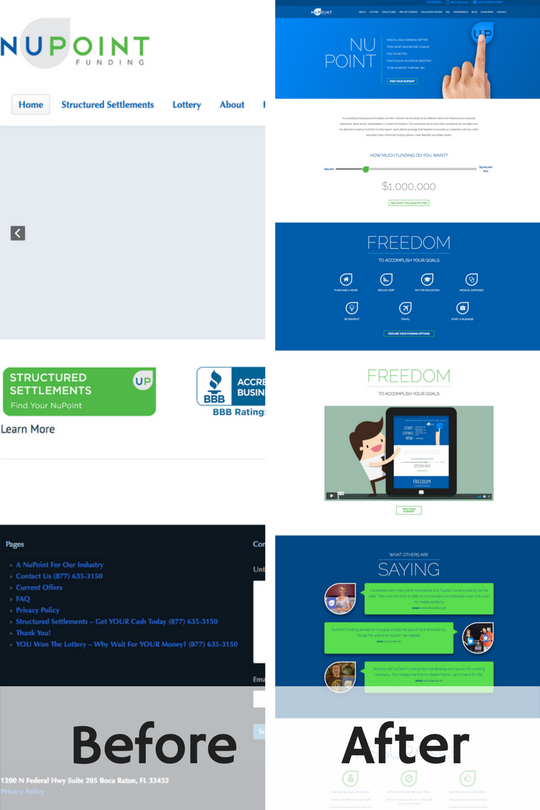
Nupointfunding.com was a fun website to design. The characters and illustrations used bring a certain joy to the site that only PeakSeven can provide. راهن على كرة القدم Not only does this site look great, but it is “markedly better” than what they had before.
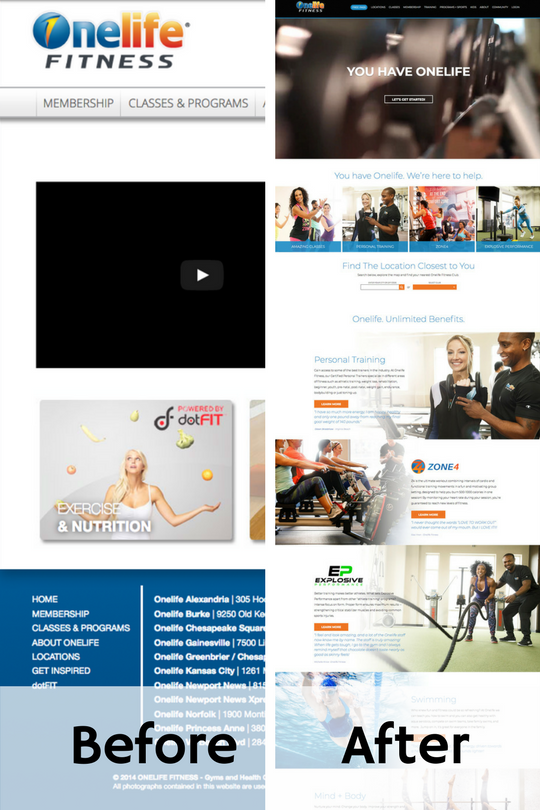
We’ll end this list with our newest edition to the websites we remade in 2017. OneLife Fitness is a brand of world class gyms operating in Virginia, Maryland and Atlanta. بوكر هولدم Having just launched this December, this website is already a big hit with gym members and staff alike! Check it out here: onelifefitness.com
We look forward to all of the amazing challenges that 2018 will bring us in website design and we are excited to be a part of such great projects coming from some of the world’s best clients!
Robots have been a part of human culture for a long time now. In fact, the first time someone said “robot” was in 1921! Robots are still a huge part of our lives today in all media especially in movies like Star Wars: The Last Jedi and now we even find robots in our homes thanks to smart speakers such as Google Home and assistants like Siri. Today, let’s talk about some bots we can’t see directly, but that probably effect us more than any bots we actually recognize. Let’s discuss a certain kind of internet bot: the algorithm.
A.I. on the Web
Remember during The Social Network (2010) when Mark Zuckerburg got drunk and started writing math problems on his college dorm window? What he was doing in that scene was coming up with the foundation for the algebra he would later use in his algorithm for finding friends on Facebook. اربح An algorithm is “a process or set of rules to be followed in calculations or other problem-solving operations, especially by a computer.” We encounter algorithms everyday when surfing the web and we may not even realize it. On YouTube, a bot is in-charge of deciding which videos hit the Trending page or even how likely an ad will play on that video. Google’s algorithm decides which ads are displayed on it’s homepage per search. All of these are examples of Artificial Intelligence or A.I., for short.
How Bots are Made
A.I. is what makes the modern internet work and is how we as humans can communicate effortlessly all across the globe in milliseconds. So how do the bots actually even work? Well in the simplest terms it’s a bit of a mystery as each internet company builds their bots from scratch in an effort to do a task and none of the companies are going to give away their secrets anytime soon. What we do know is how a bot is built and what that means for how they operate online.
Bots are created instantly and infinitely, each with slight changes, and are tested to perform a simple task, like recognizing a certain word or an image. All A.I. in a set are given basic instructions in code and guidelines in the form of human knowledge, then they are tested on that information. Those bots that score the highest are copied and altered for the next round of testing and the failure bots are discarded. The process repeats itself until a single bot is chosen that can most accurately and almost perfectly do that task. All the companies who built the bots are left to do is trust the process until a better bot is created. This is the algorithm for making a bot that does what you need it to do.
Stay Tuned for More!
In a future blog we’ll discuss how these algorithms and A. روليت عربي I. robots can aid your business if you wanted to build your own and will take you step-by-step in that process. Stay tuned! In the meantime, check out this informative video by CGP Grey for more on bots and A.I.
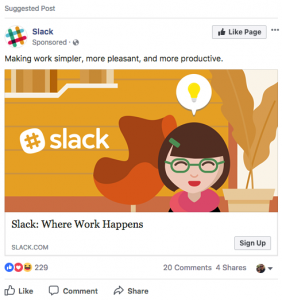
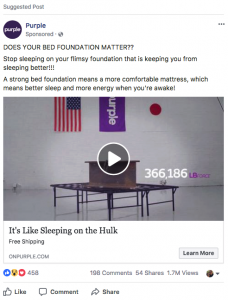
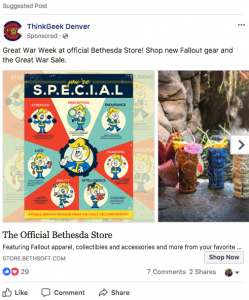
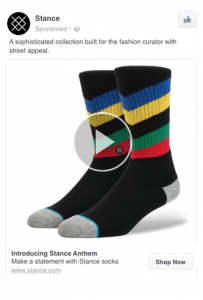
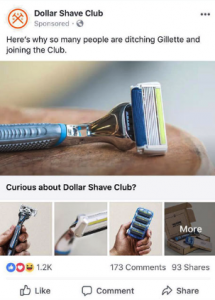
Currently, there are five ad formats currently supported on Facebook: Photo, Video, Carousel, Slideshow, and Collection. Today we will determine which Ad Format is the default best of the bunch and what the strengths and weaknesses are of each.
Photo
Facebook loves its photos. Have you noticed how your Timeline has become more picture based over time? Facebook took cues from Instagram (which it owns) and evolved its Timeline to be more eye-catching. روليت Photo ads are fantastic at drawing consumers in with their fantastic visual display. Photo ads are also great at helping you raise awareness and take only a few minutes to set up and run. For the ad professional that wants to grow leads quickly and build off of impressions, the Photo format might work best for you.
Video
If a picture tells a thousand words, then perhaps a video is worth one million. Video ads on Facebook are designed to pull in the audience. People love video on Facebook as it is just second to YouTube for most watched content at over 100 million hours. Video ads help you grow awareness of a product, promote something awesome, and push sales. With Video ads, you can tell a more well-rounded story for your product than in a Photo ad. These are for the marketers with a story to tell and the passion to tell that story in the best way possible.
Carousel
If what you seek is high performance, Carousel ads boast the best stats. With the ability to showcase 10 images or videos at a time, Carousel ads have become a fan favorite and rank highly in conversions. Use carousel ads to tell a story in a shorter format than a single video or display more than a single product at a time. Carousel ads are interactive and scrollable which means they will leave the audience wanting more when that scrolling stops. Carousel ads are great for advertisers who want to really give the audience a great view of what they are selling.
Slideshow
Slideshow ads are quite a lightweight and cost-effective option open to advertisers. Tell a story using images that play one-after-the-other along with motion effects and sound. Video ads can be expensive to produce, slideshows are much less expensive and have a similar effect. They do not buffer like Video ads so they are playable at any connection speed anywhere. For the cost-savvy business-person, we recommend Slideshow ads.
Collection
Collection ads are probably the most interesting of the Facebook ad formats currently available. Collection ads are fantastic because they are undeniably effective, and great at telling a brand’s story. These immersive ads give the user a full-screen interactive experience that doesn’t require leaving Facebook. الرهان في سباق الخيل These ads are best used to drive awareness and bring in new customers that are curious about a product. العاب مقابل المال These are sales generating machines that when made with Canvas, allow the user to be fully enveloped in your ad.
Verdict: Facebook offers a variety of great advertising options and depending on the business you want to promote and your budget constraints, you can offer your audience some fantastic storytelling ads and in the end, that’s what you really want to do. With great storytelling, clicks and purchases will surely follow.
As a Baton Raton-based marketing and advertising agency, it took much more than magic for Peak Seven to bring together brand giants Disney and Lennar for a successful promotional campaign this summer.
Peak Seven representatives worked for more than one year on intensive planning, licensing negotiations and creative development with Disney and Lennar officials on a large-scale collaborative effort to promote Lennar’s move-in ready homes in Southeast Florida.
Disney’s goal was to raise awareness of its Florida resident annual pass program and the company’s four Orlando-area parks: Magic Kingdom, EPCOT, Disney Hollywood Studios and Animal Kingdom.
The creative meetings took place in the prop rooms at Hollywood Studios.
“It really is an enchanted place where we were able to craft amazing ideas with our Lennar client and Disney partners,” said Peak Seven CEO Darren Seys who brought together the iconic entertainment and homebuilding brands.
Peak Seven created print, radio, television and digital campaigns along with supporting marketing materials featuring new and classic Disney characters and imagery. The integrated campaign allowed customers to engage with both brands on many different levels. Visitors to Lennar’s Welcome Home Centers received a 12-inch Olaf doll from Disney’s “FROZEN” blockbuster movie just for visiting. Those who bought a Lennar move-in ready home received two annual passes redeemable at any one of Disney’s four Florida parks.
And did the campaign have a fairy-tale ending?
“We couldn’t be happier with the results,” said Heath Rosenbaum, Content Relations Manager for Disney Destinations. Lennar’s Welcome Home Centers were buzzing with traffic and homebuyers were excited to receive the annual passes at closing. Based in Miami, Lennar is one of the nation’s largest builders of quality homes.
“Working with our client and a company as iconic as Disney has been an incredible and exciting experience,” Seys said. “It’s like being a kid and going to, well, Disney.”
In our first installment, you got a peek of sleep’s benefits to boost creativity. Check out how sleep can help you with your next successful campaign and creative!
Log Happy Hours: Sleep makes us happier people
Although not a direct creativity booster, a boost in happiness levels generally makes people more creative in that it motivates creative self-expression. And as it turns out, you needn’t look further from your pillow to find the silver bullet, or happy pill, of happiness. The effect of sleep on happiness is even greater than that of money!
In The Way We’re Working Isn’t Working: The Four Forgotten Needs that Energize Great Performance, President and CEO of The Energy Project, Tony Schwartz, dedicates an entire chapter to the importance of sleep and happiness. One of the studies the book highlights, done at the University of Michigan, found that sleep had a more significant effect on a person’s state of mind than earning more money. Yet another study published in the professional journal Science supported this finding. betfinal عربي The Science study’s authors concluded, “Large increases of real income in the developed world over the past 50 years have yielded no change in reported life satisfaction. [On the other hand,] differences in reported sleep quality are associated with a very large difference in reported enjoyment.”
More than Just a Rat in a Cage: Sleep and memory
Did you know that lab mice dream about mazes? You’re probably wondering where I’m going with this? (Pun intended.) Well, it turns out that only after a good night’s sleep can lab mice actually figure out how to get around obstacles in a maze. It turns out it’s the same with people. I guess the Smashing Pumpkins were right after all…about the “rat in a cage” part. العاب وجوائز مالية حقيقية But save the angst, this is good news – sleep improves memory and learning.
Author Tony Schwartz notes that learning actually takes place during sleep. He notes, “Although the acquisition of knowledge occurs only during waking life, there is evidence that we process, consolidate and stabilize memory during sleep…[During sleep,] we appear to process and consolidate fact-based information, such as a new language or the capital of a state.”
If you don’t think memory is important in creativity, just consider that, as noted by author Vera John-Steiner in her book Notebooks of the Mind Explorations of Thinking, some of history’s best-known creatives such as Mozart, claimed to turn to memory to create their many Magnum opi. Mozart called his muse his “bag of memories” – a collection of experiences from which he gleaned inspiration for his musical pieces. Swedish filmmaker Ingmar Bergman equaled the creative flow state to “plunging into the deepest roots down into the world of childhood memories.”
In fact, John-Steiner emphasizes the importance of sleep in helping creatives craft ideas from seemingly unrelated things, what she calls combinatorial creativity. She writes (quite creatively, by the way):
Among the invisible tools of creative individuals is their ability to hold on to the specific texture of their past. Their skill is akin to that of a rural family who lives through the winter on food stored in their root cellar… The creative use of one’s past, however, requires a memory that is both powerful and selective.
Don’t be 40% Less Smart: Sleep helps us learn better
In the creative field, we are constantly learning what works, and what doesn’t, and staying abreast of the latest trends in marketing and branding to create more effective campaigns. Whether you’re learning from the past, learning from your mistakes or learning from the pros, if you’d just learn to turn in earlier for some z’s, you’d be a whole lot smarter.
According to the National Institute of Health, sleep is key to boosting our smarts. لعبة سباق الخيل Dr. Matthew Walker, a sleep scientist at the University of California, Berkeley, says, “We’ve learned that sleep before learning not only helps you prepare your brain for initial formation of memories, but that sleep is essential to help save and cement that new information into the architecture of the brain, meaning that you’re less likely to forget it.”
Dr. Walker explains, “While you snooze, your brain cycles through different phases of sleep, including light sleep, deep sleep, and rapid eye movement (REM) sleep, when dreaming often occurs. The cycles repeat about every 90 minutes. The non-REM stages of sleep seem to prime the brain for good learning the next day. If you haven’t slept, your ability to learn new things could drop by up to 40%.”
It may seem counterintuitive in a culture that’s driven by coffee-fueled long hours to suggest logging in some downtime, but as we’ve learned, sleep isn’t downtime. It’s when we get smarter, happier, and more creative. So next time you’re struck by writer’s block, artist block, or whatever you choose to call your creativity drought, spend some time under the sheets. Your clients will thank you for it!
150 East Palmetto Park Rd.
Suite 800
Boca Raton, FL 33432
Privacy Policy: By filling out and submitting this form, you are giving consent to receive communication from Peak Seven in the form of email, text, phone, and mail. Your data will only be used by Peak Seven. We will take all the steps reasonably necessary to ensure that your data is treated securely and that no transfer of your Personal Data will take place to an organization outside of Peak Seven's companies. We use cookies and similar tracking technologies to track the activity on our Service and we hold certain information. No method of transmission over the Internet or method of electronic storage is one hundred percent secure. We strive to use all commercially acceptable means to protect your Personal Data. You may unsubscribe at any time.
Privacy Policy: By filling out and submitting this form, you are giving consent to receive communication from Peak Seven in the form of email, text, phone, and mail. Your data will only be used by Peak Seven. We will take all the steps reasonably necessary to ensure that your data is treated securely and that no transfer of your Personal Data will take place to an organization outside of Peak Seven's companies. We use cookies and similar tracking technologies to track the activity on our Service and we hold certain information. No method of transmission over the Internet or method of electronic storage is one hundred percent secure. We strive to use all commercially acceptable means to protect your Personal Data. You may unsubscribe at any time.